


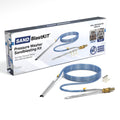
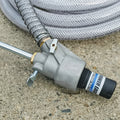
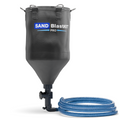
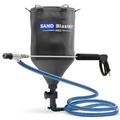
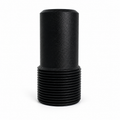


SandBlastKit Nozzle Series
SandBlastKit Nozzle Series
Couldn't load pickup availability
Choose Your Bundle
Buy now, pay later with 0% interest available
Find the Right Nozzle for Every Blasting Job
Not every job is the same. Some surfaces need precision. Others need power. Some need wide coverage. And some just need a nozzle that actually lasts.
That is why SandBlastKit offers four nozzle options—each engineered for a different kind of work. Whether you are doing light surface prep or stripping heavy rust off frames and trailers, there is a nozzle built for exactly that job.
Pick the one that matches your work. Or grab them all and never get caught using the wrong nozzle again.

The Nozzle Lineup
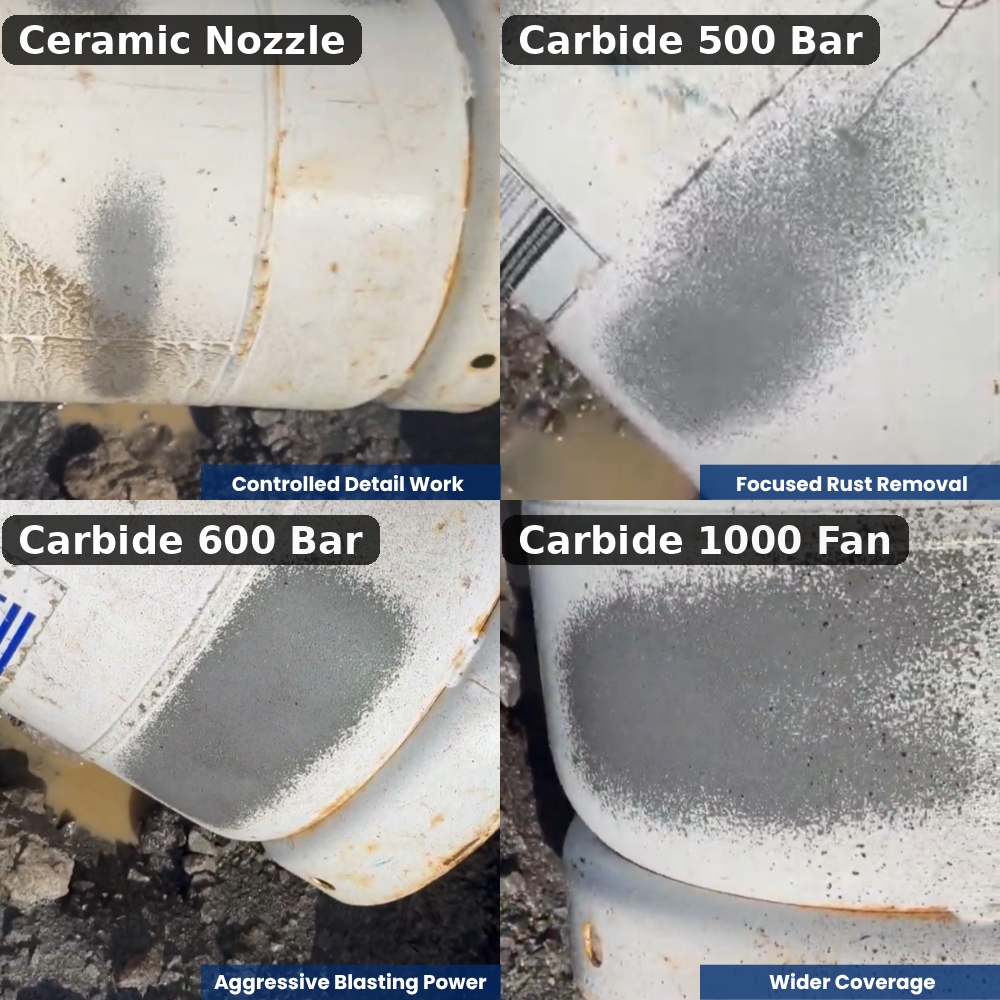
Ceramic Nozzle — Stay in the Efficiency Zone
When the nozzle holds its shape, everything downstream works the way it should. The ceramic nozzle keeps pressure focused, spray tight, and suction strong. Media feeds consistently instead of surging or clogging—so you are not compensating, re-blasting the same spot, or turning up the pressure just to keep up.
Every hour you blast, a worn nozzle opening grows. Not by millimeters—by performance. Pressure bleeds off. The spray loses focus. Suction weakens. Media stops feeding right. The ceramic nozzle keeps you in the zone where your blaster is actually working at full efficiency.
- Focused Pressure – Keeps the blast stream tight and predictable
- Consistent Media Feed – Reduces surging and clogging during operation
- Efficiency Zone Performance – Everything downstream works the way it should
- Best For: Light to medium surface prep, detail work, and everyday blasting sessions

Carbide 500 Bar — Stop Burning Through Ceramic Nozzles
If you are tired of constantly replacing worn-out ceramic nozzles, it is time to upgrade. The Carbide 500 Bar nozzle is built for serious blasting—delivering up to 10x longer lifespan under the same conditions.
Designed with a focused round blast stream, it delivers stronger cutting power for rust, paint, and surface prep while maintaining consistent performance throughout the job. Smaller bore means a stronger, more aggressive cut. Larger bore means wider coverage and faster work. Either way, you are not stopping to swap nozzles mid-job.
- 10x Longer Lifespan – Outlasts standard ceramic nozzles under the same conditions
- Focused Round Blast Stream – Strong penetration into seams and pitted metal
- Consistent Output – Less pressure drop-off during extended blasting sessions
- Direct Swap – Replaces standard ceramic nozzles with no modifications needed
- Rated: Up to 500 Bar (~7,200 PSI)
- Best For: Rust removal, paint stripping, surface prep, and frequent-use setups

Carbide 600 Bar — Built for Heavy Rust and Demanding Work
If your current setup struggles on thicker rust, stubborn coatings, or longer blasting sessions, the Carbide 600 Bar is built for exactly that. Designed with a controlled high-output blast flow, it removes rust, paint, and coatings faster while maintaining more consistent blasting performance from start to finish.
Fewer passes. Less downtime. More time getting work done.
- 600 Bar Rated – Built for high-pressure wet sandblasting and demanding restoration work
- Stronger Surface Impact – Removes coatings with fewer passes
- Controlled Blast Flow – Smoother media delivery for more even blasting results
- Reduced Pressure Drop-Off – Consistent performance during extended blasting sessions
- Less Downtime – Fewer nozzle replacements and more time on the job
- Rated: Up to 600 Bar / Compatible with 1500–5000 PSI pressure washers
- Best For: Frames, trailers, heavy equipment, thick rust, and stubborn coating removal

Carbide 1000 Fan — Blast Larger Surfaces Faster
If you are tired of slow coverage on large blasting jobs, the Carbide 1000 Fan nozzle is the upgrade you need. Built with a wide carbide fan spray pattern, it spreads blasting power across a larger surface area—helping you move faster across rust, paint, and coatings without constantly working the same spot.
More coverage per pass. Less time going back over the same area. Faster job completion on flat surfaces and large panels.
- Wide Fan Spray Pattern – Covers more surface area per pass for faster blasting
- Faster Surface Coverage – Reduces total blasting time across larger areas
- Smoother Blasting Flow – More even media delivery during operation
- Carbide Durability – Withstands abrasive media like crushed glass, garnet, and slag
- Compatible with gravity-fed and air-assisted blasting setups
- Best For: Panels, trailers, flat metal surfaces, large equipment, and wide-area jobs

Nozzle Comparison at a Glance
- Ceramic Nozzle – Precision and efficiency | Light to medium surface prep
- Carbide 500 Bar – 10x lifespan upgrade | Focused stream | Replaces ceramic
- Carbide 600 Bar – Heavy-duty power | Thick rust and demanding jobs
- Carbide 1000 Fan – Wide coverage | Large flat surfaces | Faster pass-per-area
Specifications
- Material: Ceramic (Ceramic Nozzle) / Tungsten Carbide (500, 600, 1000 Fan)
- Pressure Ratings: Ceramic (standard PSI) / 500 Bar (~7,200 PSI) / 600 Bar (1500–5000 PSI washers) / 1000 Fan (high-pressure wet sandblasting)
- Blast Patterns: Focused round stream (Ceramic, 500, 600) / Wide fan spray (1000 Fan)
- Application: Wet sandblasting
- Media Compatibility: Crushed glass, garnet, slag, and other dry abrasive media
- System Compatibility: SandBlastKit Pro Sandblast Kit™ systems
- Flow System: Compatible with gravity-fed and air-assisted media setups
- No Air Compressor Required – Runs directly from your pressure washer setup
- Use Case: Rust removal, paint stripping, coating removal, and surface preparation
What's in the Box?
- Your selected nozzle (choose from Ceramic, Carbide 500, Carbide 600, or Carbide 1000 Fan)

SandBlastKit Nozzle Series


Join the community
An international community of users share their ideas and journeys with each other online, anywhere.


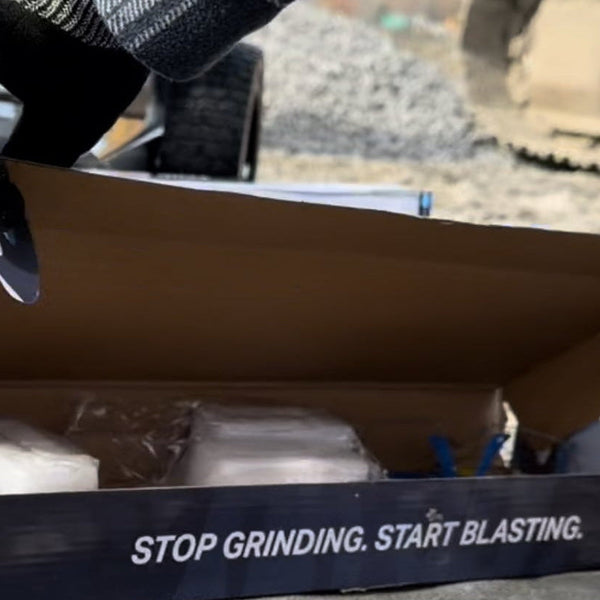
Works great !! Before and after.. 3100psi pressure washer and Black Diamond media from Tractor Supply


I am definitely happy with the results from blasting my 78' Ford frame.


Bought one 8 months ago and finally tested it on a oil pan with a bag of play sand from home depot I set the sand bucket 3’ above the work peace and it sucked up sand like it was in a hotdog eating contest. I then warmed the pan with propane to remove any moisture and primed it all in one step. Very pleased It worked well.

I completely retract my previous statement that this company is fake. Not only is this product as real as it gets. When I had doubts about a shipping mistake that happened. A real person reached out to answer my concerns and ultimately fixed any issues. They were genuine in their apology and very humble in their approach.

This might save me thousands of dollars in my classic car restoration. Honestly I'll give this a shot.

Heres a real review. I have the 3000psi kit and the 5000psi kit I bought a metal trashcan. I placed a window screen mesh on top to screen the rock from the play sand. ****VERY IMPORTANT STEP**** this prevents frustration with clogged tips. Keep the sand feed hose feeding on top while blasting. Prevents water from getting in the line when you stop spraying. Does it work 100% After you spray it will leave a gold oxidation. To remove this before prepwork you will need to use Ospho or Chemprime. A phosphoric acid which will help etch the metal for the Direct to metal (DTM) primer to positively bond. I love this thing. Yall should send me a new kit as my nozzles just about had it... i pur it through the test with my 1972 Cutlass

I have one you better be careful all your friends will want to borrow or bring stuff to you .....it mad a believer out of me I did a rim off a 1964 f350 never cleaned. 7 minutes it was down to metal

Works great! Used sifted play sand and it stripped the paint and rust right off!

I just finished a 1969 Chevelle door jams doors so forth. Messy but effective.....start the body this week. I changed the sand feed line to a larger size because it kept stopping up with wet sans close to the nosel. Small pebbles were and issue as well. Use as fine sand as you can find. Still had to sift it .The larger sand feed line made a world of difference.

I have used a couple different variants of this. It takes a decent size pressure washer and water supply to run. Also goes through media pretty quickly. That being said it generally leaves a decent finish, also you will need to make sure you have a plan to prevent flash rust after you’re finished.

I first learned about this, from watching YouTube videos about pressure washing with a sandblast attachment, and I spent less than $300 for the pressure washer and this sandblast attachment, bought a 40lb bag of media for less than $10, and a tarp to collect & reuse the media. I blasted my own 1970 GM A-body frame on a pair of plastic sawhorses, on a car trailer, in my back yard, and there was no (harmful) dust to breathe, and no mess or cleanup to worry about. My frame came out like new, I primered & painted it with rattle cans, as a driver vehicle! Best tool I’ve ever owned!

Works really good used it today was surprise how it came out

I purchased one and it works excellent without wasting sand. Although I wished I'd ordered a wet suit with it.

These work great. Only thing I recommend is to filter the cheap sand through a screen to rid it of chunks that plug the suction tube.

This WORKS!!!! I ordered mine and i was amazed at how well it worked without the dust storm and use of a large air compressor.

I feed sand to this unit using a small pressure feed pot. Works much more efficient as the sand is forced into the hose with air pressure. The suction hose does not plug up! Still dustless blasting!!! Great combination for me!
Frequently Asked Questions
Everything you need to know about SandBlastKit. Can't find your answer? Contact us directly.

What does SandBlastKit actually do, is it a real water sandblaster or just an attachment?
SandBlastKit converts your existing pressure washer into a wet sandblaster. It attaches directly to your wand and uses suction to draw sand from a bucket, mixing it into the water stream so you can blast away rust, paint, and heavy coatings from metal, wood, and concrete. Most standard pressure washers (1,500–4,000 PSI) are compatible.
No special equipment required
Which bundle do I need for my project?
It depends on the job. The Starter Kit is perfect for small projects and first-time users. The Do It Right Bundle (our most popular) adds PRO Nozzles, a Face Mask, Sand Sifter, and Rust Inhibitor — covering everything for a complete job. For heavy-duty work like full truck frames, trailers, or farm equipment, the Pro Bundle includes a high-pressure gun and cleanup accessories built for repeated, large-scale use. Not sure? Contact us and we'll point you in the right direction.
How do I set up my DIY pressure washer sandblaster correctly to avoid clogging?
Setup order matters: always pull the trigger and get water flowing before placing the suction head into the sand, and when stopping, lift the suction head out first, then release the trigger. Keep the sand hose as upright as possible (around the 12 o'clock position) and raise your sand bucket about 3 feet off the ground for better suction. Using dry, filtered sand is essential, even one damp clump can block the system. This is the single most overlooked step in any pressure washer sandblaster DIY setup.
What type of sand or blasting media should I use?
Use dry, coarse-grade blasting sand — avoid play sand or beach sand as they are too fine, too smooth, or too damp and will clog the system. Different jobs call for different media: coarser grits remove heavy rust and thick coatings, while finer grits are better for lighter prep work or softer surfaces like wood. Always run your sand through the Sand Filter/Sifter before each session to remove rocks, moisture, and debris.
How do I prevent rust from coming back right after blasting?
After blasting, bare metal oxidises fast — sometimes within hours. The fix is simple: add Rust Inhibitor to your water feed line (1 oz per gallon). This protects the surface for up to 72 hours, giving you plenty of time to apply primer or paint. If you're not coating right away, wipe the surface dry, blow air into all seams and joints, and store in a dry environment. The Mini Cordless Turbo Jet Blower is great for clearing moisture from tight spots like bolts and frames.
Can I reuse my blasting sand to save money?
Yes — with the right setup you can recover and reuse 70–80% of your sand. Place the Sandblast Catch Net under your work area to collect spent media. After blasting, rake it out, let it dry in the sun, then run it through the Sand Filter/Sifter again before the next session. Store reclaimed sand in a sealed metal container away from moisture to keep it dry and ready to use.
My blasting feels weak or the sand keeps clogging, what should I do?
The two most common causes are wet sand and incorrect hose angle. Check that your sand is completely dry (sift it first), keep the suction hose upright, and make sure the bucket is raised off the ground. If suction is still poor, adjust the black knob on your washer's pump to regulate flow. For stubborn rust or thicker coatings, upgrading to the High-Pressure Washer Gun significantly boosts PSI and gives you interchangeable tips for more targeted control.
What 100+ real buyers told us
We analyzed every Facebook review so you know exactly what to expect -- and what questions to ask before you buy.
The friction is technical clarity -- not trust.
60-70% of comments show real buying intent. They just need one clear answer before they pull the trigger.